Dog Training Treats

dog snackHow to Keep Your Dog Motivated and Focused

Choosing the right dog training treats can make a big difference in your dog’s motivation and focus. By varying and rotating rewards, you keep training interesting and engaging. Your dog never quite knows what to expect, and that unpredictability helps maintain enthusiasm.

Training with distractions

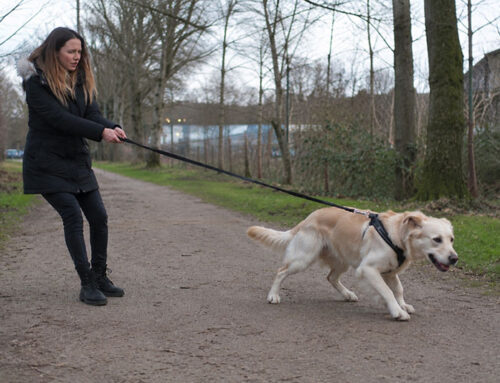
In some situations, your dog will need extra motivation to stay focused. Indoors, distractions are limited. Outside or in a training environment, your dog is exposed to many interesting stimuli such as other dogs, smells and people.

In these moments, it helps to use what are often called high value treats. These are rewards your dog finds more exciting than everyday food. They make it easier for your dog to focus on you instead of everything happening around them.

A helpful rule is to use higher value treats only in more challenging situations, so they remain special and effective.

Types of dog training treats

Not all treats are equal. Variety is key, and different situations may call for different types of rewards.

Meat and fish

  • Cooked chicken or turkey

  • Cooked beef heart

  • Cooked beef strips

  • Salmon or pollock

  • Dried or fresh surimi

Convenient options

  • Dog sausage

  • Chicken or beef hot dogs (no pork)

  • Cheese

  • Soft treats from a tube, such as cheese spread, liver pâté or salmon paste

Fresh options

  • Small pieces of carrot

  • Small pieces of apple

Each category offers different textures, smells and levels of value. Rotating between them keeps your dog interested and engaged during training.

Will my dog gain too much weight?

To prevent your dog from gaining weight, keep rewards small, about the size of a pea. During training, dogs often receive many repetitions, so portion size matters.

If you use a lot of treats, consider reducing your dog’s regular meal slightly to balance their total intake.

Also be mindful of treats that are high in fat or salt. For example, if you use cheese, you can cut a slice into very small pieces to keep portions controlled.

What makes a treat valuable?

Your dog decides what counts as a reward. Some dogs love carrot, while others may not be interested at all. Others might eat it, but do not see it as especially motivating.

Try different options and observe your dog’s response. The best treat is the one your dog is genuinely excited about.

Always make sure the food you use is safe and not toxic for dogs.

Making your own dog treats

You can also create your own treats at home. Using a food dehydrator is a great way to prepare meat or fish, making it last longer and less messy to handle.

It is also possible to dry meat in the oven, although this takes more time than using a dehydrator.

Making your own treats can be a fun way to vary rewards and tailor them to your dog’s preferences.

Final thought

Training is not just about what you ask of your dog, but also about how you reward them. By choosing the right treats and using them thoughtfully, you can make learning clearer, more enjoyable and more effective.