
Why 15 Minutes of Mental Enrichment Can Do More Than an Hour Walk
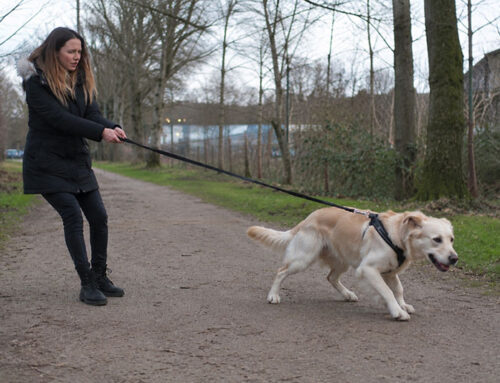
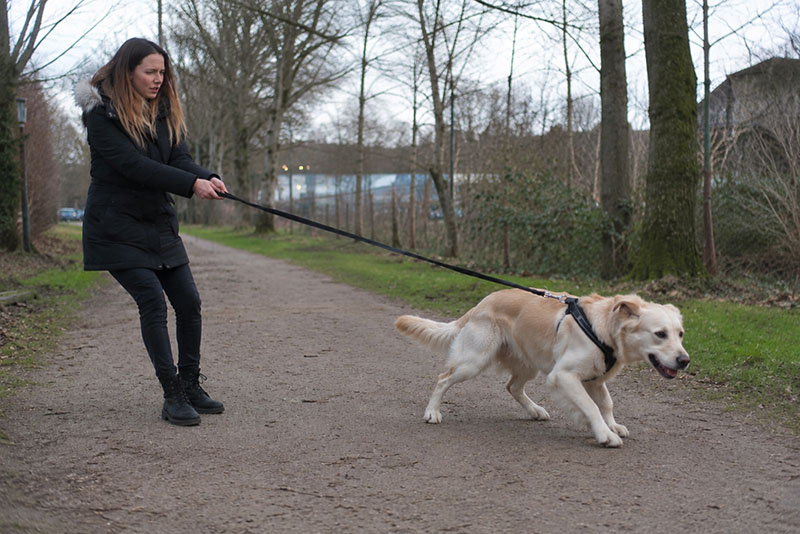
 Many dog owners believe that a long walk is the best way to tire their dog out. It makes sense. If your dog gets plenty of exercise, they’ll surely come home calm and relaxed.
But that’s not always the case.
You may have experienced it yourself. After spending an hour outside, your dog comes home and still races around the house, keeps asking for attention or even seems more energetic than before.
That’s because physical exercise and mental stimulation are two very different things.
Dogs Need to Use Their Minds Too
Walking gives your dog important physical exercise, which is essential for maintaining good health.
However, dogs are also natural problem solvers. They constantly use their brains to process information, follow scents, make decisions and explore the world around them.
If a dog doesn’t receive enough mental stimulation, they may still feel restless even after plenty of physical activity.
What Is Mental Enrichment?
Mental enrichment is any activity that encourages your dog to think, solve problems or use their natural instincts.
It doesn’t have to be complicated. In fact, simple activities are often the most rewarding.
Examples include hiding treats around the house, using a snuffle mat, giving your dog a food puzzle or playing scent games where they have to search for a hidden reward.
Training games, clicker training and nose work are also excellent ways to keep your dog’s mind active.
Mental Work Uses a Lot of Energy
You’ve probably experienced this yourself.
After a day filled with problem solving or intense concentration, you can feel exhausted even though you haven’t been physically active.
Dogs are no different.
Learning new skills, making choices and solving puzzles requires a great deal of mental effort. That’s why many dogs happily settle down for a nap after just a short enrichment session.
They’re not physically exhausted. Their brains have simply been working hard.
Mental Enrichment Builds Confidence
One of the biggest benefits of enrichment activities is that dogs experience success through their own efforts.
Instead of being told exactly what to do, they discover solutions, make decisions and build confidence with every small achievement.
This can be especially valuable for nervous or insecure dogs.
Giving your dog opportunities to solve problems helps them become more confident in everyday life.
More Exercise Isn’t Always the Answer
When a dog seems overly energetic, the first thought is often that they simply need a longer walk.
Sometimes that’s true.
But in many cases, the real issue isn’t a lack of exercise. It’s a lack of mental stimulation.
Some dogs get plenty of physical activity but very little opportunity to use their incredible sense of smell, think independently or solve challenges.
For these dogs, fifteen minutes of mental enrichment can be more satisfying than another hour of walking.
Sensitive Dogs Often Benefit Even More
Dogs that become easily overwhelmed by their environment may find busy walks mentally exhausting.
Traffic, other dogs, cyclists, unfamiliar people and countless new smells can all become overwhelming.
Instead of returning home relaxed, these dogs may stay tense and alert long after the walk has ended.
Calm enrichment activities at home or in the garden allow them to use their brains without being flooded with extra stimulation.
More Isn’t Always Better
Just like physical exercise, mental enrichment doesn’t need to last for hours.
In fact, shorter sessions are often more effective.
Ten to fifteen minutes of focused problem solving is enough for many dogs. Afterward, it’s important to give them time to relax and process everything they’ve experienced.
Quality is far more important than quantity.
Mental Enrichment Doesn’t Replace Walks
Of course, this doesn’t mean walks are no longer important.
Dogs still need physical exercise, fresh air and opportunities to explore their environment.
Mental enrichment isn’t a replacement for walking. It’s a valuable addition.
The best balance usually comes from combining physical exercise, mental challenges and plenty of rest.
Every Dog Is Different
Some dogs thrive on long hikes through nature, while others benefit more from a calm walk followed by a short enrichment session.
Pay attention to how your dog behaves after different activities.
Do they seem relaxed and content? Can they settle down easily at home? Or do they remain restless and constantly look for something to do?
Your dog’s behaviour after an activity often tells you more than the length of the walk itself.
Strengthening Your Bond
Mental enrichment isn’t just about tiring your dog out.
It’s also a wonderful way to spend quality time together. You’ll learn more about how your dog thinks, how they solve problems and what motivates them.
Over time, these shared experiences strengthen your relationship while helping your dog become calmer, more confident and more fulfilled.




Leave A Comment